
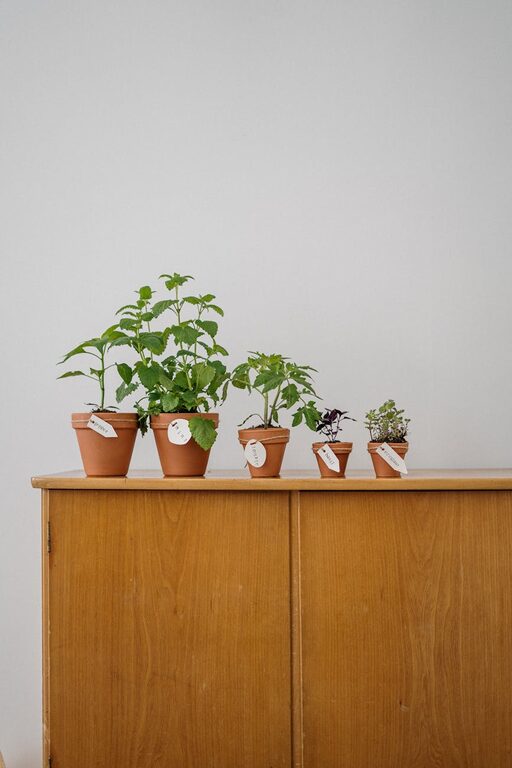
Growing your own fresh herbs indoors is a rewarding and practical way to enhance your cooking and brighten up your living space. Whether you have a sunny windowsill or a small corner in your kitchen, starting a small indoor herb garden is easier than you might think. This guide will walk you through everything you need to know—from selecting the right herbs to caring for them daily.
Why Grow Herbs Indoors?
Indoor herb gardens provide fresh flavors year-round, saving you trips to the store and reducing waste. They also add a touch of greenery to your home, improve air quality, and offer a fun hobby to connect with nature even in small spaces.
Choosing the Right Herbs
When selecting herbs for your indoor garden, consider these beginner-friendly options:
– Basil: Great for cooking; loves bright light.
– Parsley: Hardy and versatile.
– Mint: Easy to grow but keep in a separate pot to prevent spreading.
– Thyme: Drought-tolerant and fragrant.
– Chives: Perfect for garnishes and salads.
– Cilantro: Prefers cooler temperatures.
Choose herbs you use often and that match your kitchen’s light conditions.
Selecting Containers and Soil
Containers
– Size: Start with pots at least 4-6 inches deep to allow roots to grow.
– Material: Terracotta, ceramic, or plastic pots all work well.
– Drainage: Ensure each pot has holes at the bottom to prevent waterlogging.
Soil
Use a high-quality potting mix designed for indoor plants. Avoid garden soil, which may contain pests or be too heavy for containers.
Finding the Perfect Spot with Adequate Lighting
Most herbs require 6-8 hours of sunlight daily.
– Windowsill: South-facing windows offer the best light.
– Grow lights: If natural light is limited, use LED grow lights 12-14 inches above the plants for 12-16 hours a day.
Rotate your plants regularly for even growth.
Planting Your Herbs
You can start herbs from seeds or buy small starter plants.
Starting from Seeds
– Follow seed packet instructions on depth and spacing.
– Keep soil moist but not soaked.
– Use a clear cover to trap humidity if needed.
Starting from Starter Plants
– Gently remove plants from their nursery pots.
– Loosen the roots slightly before planting.
– Water thoroughly after planting.
Watering and Feeding Your Indoor Herb Garden
– Watering: Most herbs prefer slightly moist soil. Water when the top inch feels dry.
– Drain excess water: Empty saucers under pots to prevent root rot.
– Feeding: Use a balanced liquid fertilizer every 4-6 weeks during the growing season.
Avoid overwatering, which is a common mistake.
Pruning and Harvesting
Regular pruning keeps herbs healthy and encourages bushier growth.
– Pinch or snip leaves from the top, not the base.
– Harvest in the morning when oils are at their peak flavor.
– Avoid removing more than one-third of the plant at a time.
Use harvested herbs fresh or dry them for later use.
Common Challenges and Solutions
– Yellow leaves: May indicate overwatering or lack of nutrients.
– Leggy plants: Need more light; move closer to a window or add grow lights.
– Pests: Watch for aphids or spider mites; wipe leaves with a damp cloth or use insecticidal soap.
Tips for Success
– Label your pots to remember which herbs are which.
– Group plants with similar water needs together.
– Keep a journal to track growth and care routines.
– Enjoy experimenting with different herbs and recipes.
Final Thoughts
Starting a small indoor herb garden brings the joy of gardening indoors and ensures you have fresh herbs handy for your meals. With the right herbs, pots, light, and care, you’ll soon be harvesting your own flavorful leaves in no time. Happy gardening!