
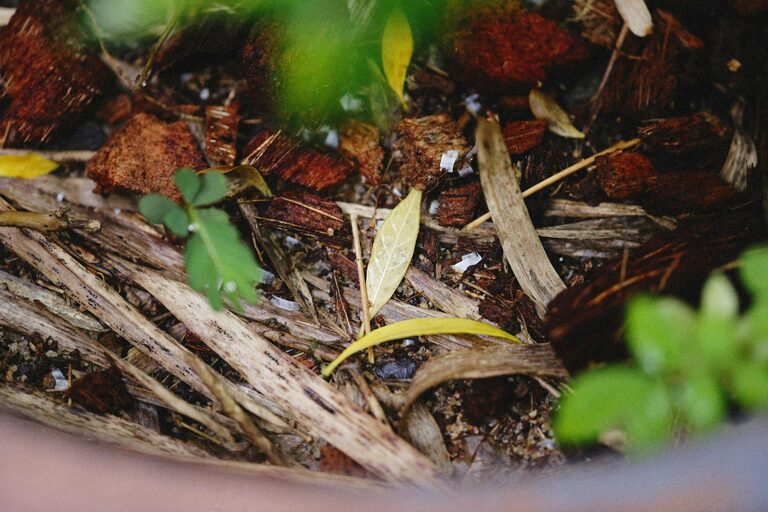
Composting at home is a fantastic way to reduce kitchen and garden waste while creating nutrient-rich soil for your plants. Whether you have a large backyard or a small balcony, composting can fit into your lifestyle with just a few simple steps. If you’re new to composting, this guide will walk you through easy beginner tips to get started and maintain a healthy composting system.
Why Compost at Home?
Composting offers many benefits:
– Reduces the amount of waste sent to landfills
– Lowers greenhouse gas emissions
– Enriches garden soil naturally
– Saves money on fertilizers
– Promotes a sustainable lifestyle
What You’ll Need to Start Composting
You don’t need fancy equipment to start composting at home. Here’s what you’ll need:
– Compost bin or designated compost pile: You can buy a compost bin or repurpose a simple container. If space is limited, try using a compost tumbler or worm bin.
– Kitchen scraps: Vegetable peels, fruit scraps, coffee grounds, and eggshells are great choices.
– Yard waste: Leaves, grass clippings, and small twigs help add bulk and provide carbon.
– Water: Needed to keep the compost moist but not too wet.
Beginner Tips for Composting at Home
1. Choose the Right Spot
Select a dry, shady or partially shaded spot near a water source. This helps maintain moisture without overheating the compost pile.
2. Balance Greens and Browns
Successful composting requires a balance between “greens” and “browns”:
– Greens are nitrogen-rich materials like vegetable scraps, coffee grounds, and fresh grass clippings.
– Browns are carbon-rich materials such as dried leaves, straw, shredded newspaper, and cardboard.
Try to keep a ratio of about 3 parts browns to 1 part greens. Too much green can cause odors, while too much brown slows down decomposition.
3. Chop or Shred Materials
Cut your food scraps and yard waste into smaller pieces. This increases surface area for microbes to work and speeds up decomposition.
4. Keep It Moist, But Not Wet
Your compost should feel like a damp sponge — moist but not soggy. If it’s too dry, add water. If it’s too wet, mix in dry browns like shredded paper.
5. Turn Your Compost Regularly
Turning or mixing your compost helps aerate it and speeds up breakdown. Use a garden fork or compost aerator every week or two to keep the system active.
6. Avoid Certain Items
Not all kitchen waste is suitable for composting. Avoid:
– Meat, dairy, and oily foods (can attract pests)
– Diseased plants or weeds with seeds (may spread in your garden)
– Pet waste (can carry pathogens)
7. Be Patient
Composting is a natural process that can take a few months to a year depending on conditions. Fresh compost is ready when it looks dark, crumbly, and smells earthy.
Extra Tips for Small Spaces
If you don’t have outdoor space, try these methods:
– Use a worm compost bin (vermicomposting) indoors.
– Try bokashi composting, a fermentation method that works in airtight containers.
– Collect and compost coffee grounds through local community programs if home composting isn’t possible.
How to Use Your Finished Compost
When your compost is ready:
– Mix it into garden soil or potting mix.
– Use it as mulch to retain moisture and prevent weeds.
– Spread it on lawns in thin layers to improve soil health.
Troubleshooting Common Composting Issues
– Bad odors: Usually from too many greens or moisture. Add dry browns and turn pile.
– Slow decomposition: May be too dry, too cold, or lacking in greens. Check moisture and add nitrogen-rich materials.
– Pests: Avoid meat and oily foods; keep compost covered.
Conclusion
Starting composting at home is easier than you might think and brings great benefits for the environment and your garden. By following these beginner-friendly tips, you’ll be well on your way to turning kitchen scraps and yard waste into rich, valuable compost. Happy composting!
—
Remember, composting doesn’t have to be perfect—every little effort helps reduce waste and supports a healthier planet.